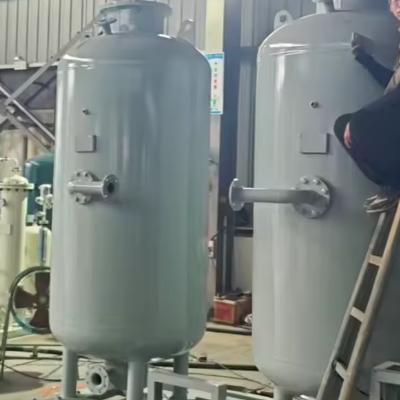
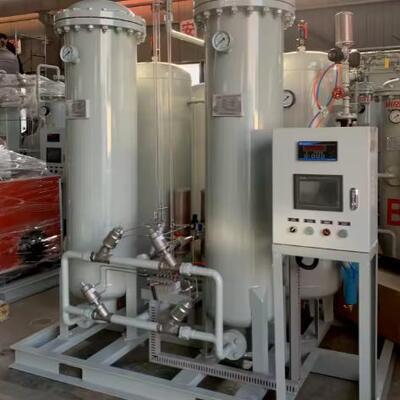
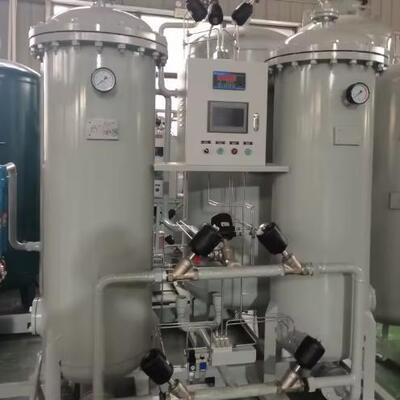
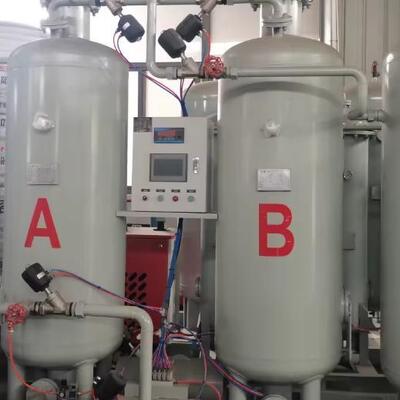
8kW Compact PSA Medical Oxygen Plant for Clinics
In primary clinics and community health centers, stable and compliant medical oxygen supply is essential for diagnosing and treating common diseases, managing chronic conditions, and handling emergency cases. The PSA medical oxygen generator (Pressure Swing Adsorption Medical Oxygen Generator) operates using PSA technology for oxygen generation, utilizing medical-grade molecular sieves to physically separate oxygen from ambient air without chemical additives. Compared to traditional bottled oxygen, it offers uninterrupted supply, consistent purity, and lower long-term costs. Its compact size and simple operation make it ideal for clinics with limited space and staffing. This 8kW compact model, with optimized power consumption and medical safety features, is the preferred choice for clinics with 5-15 beds to meet oxygen needs for therapy, nebulization, and minor procedures.
Core Technical Parameters
| Oxygen Output (Nm³/h) |
Purity (%) |
Instrument Air Consumption (M³/h) |
Water Consumption (M³/h) |
Power Consumption (KW) |
Total Power (KW) |
Bed Layer Type |
Area (M³) |
| 50 |
90 |
10 |
3 |
32.5 |
40 |
vertical |
6 x 9 |
| 150 |
90 ~ 93 |
20 |
15 |
65 |
85 |
vertical |
9 x 9 |
| 200 |
90 ~ 93 |
25 |
15 |
86 |
110 |
vertical |
9 x 9 |
| 300 |
90 ~ 93 |
30 |
30 |
132 |
155 |
vertical |
14 x 12 |
| 400 |
90 ~ 93 |
40 |
30 |
172 |
205 |
vertical |
15 x 14 |
| 600 |
90 ~ 93 |
50 |
45 |
258 |
320 |
vertical |
12 x 18 |
| 800 |
90 ~ 93 |
60 |
50 |
344 |
410 |
vertical |
15 x 18 |
| 1000 |
90 ~ 93 |
65 |
60 |
436 |
550 |
vertical |
16 x 18 |
| 1500 |
90 ~ 93 |
90 |
90 |
675 |
845 |
vertical or horizontal |
18 x 18 |
| 2000 |
90 ~ 93 |
100 |
150 |
900 |
1060 |
vertical or horizontal |
18 x 24 |
Why Clinics Prioritize PSA Medical Oxygen Generators Over Traditional Oxygen Supply
Clinics face unique oxygen supply challenges including limited budgets, insufficient space, and lack of professional equipment managers—all addressed by PSA medical oxygen generators:
- Stability vs. Bottled Oxygen: Bottled oxygen requires frequent replacement (a 40L bottle lasts only 2-3 hours for one patient), increasing nurses' workload and risking supply gaps during emergencies. The PSA plant produces oxygen 24/7, with a buffer tank storing 0.5Nm³ of oxygen for peak demand.
- Cost vs. Liquid Oxygen: Liquid oxygen systems require large storage tanks (infeasible for small clinics) and minimum purchase volumes. The 8kW PSA plant avoids these issues, with lower long-term costs than both alternatives.
- Adaptability vs. VPSA Oxygen Generators: VPSA oxygen generators (Vacuum Pressure Swing Adsorption) are designed for large hospitals (≥50 beds) with high oxygen demand. Their large size and high initial investment make them unsuitable for clinics, while the 8kW PSA plant balances performance and practicality.
How to Select Reliable PSA Oxygen Generator Manufacturers for Clinics
Clinics must prioritize compliance and after-sales support when choosing PSA oxygen generator manufacturers, as medical oxygen equipment falls under Class III medical devices:
- Qualification Verification: Confirm manufacturers hold Medical Device Production License and Medical Device Registration Certificate (NMP in China, CE in Europe) to ensure equipment meets clinical standards.
- Clinic Experience: Prioritize manufacturers with cooperative cases in community clinics or primary health centers—their products are optimized for small-scale scenarios with compact design and simple operation.
- After-Sales Commitment: Require on-site installation and training, plus a 2-year warranty. Manufacturers should have local service points to respond to failures within 24 hours (critical for clinics without professional maintenance staff).
- Customization Capability: Ensure the manufacturer can adjust parameters (e.g., pressure, alarm thresholds) to match the clinic's specific equipment requirements.
PSA Oxygen Plant Working Principle and Clinic-Friendly Operation
The PSA oxygen plant working principle is simple, requiring minimal training for clinic staff:
- Air Intake: Ambient air is drawn into the plant and purified through three-stage filters to remove dust, oil, and bacteria.
- Adsorption: Purified air enters dual adsorption towers; molecular sieves selectively adsorb nitrogen, leaving 93% pure oxygen.
- Oxygen Supply: The oxygen is stored in a buffer tank, then delivered to clinic pipelines or equipment at stable pressure.
- Regeneration: When one tower's molecular sieve is saturated, the system switches to the other tower; the saturated tower depressurizes to desorb nitrogen, completing regeneration.
Clinic staff only need to perform three daily tasks: press the "auto-start" button, check the purity display (normal if ≥91%), and clean the air filter weekly. The touchscreen interface has clear icons, enabling nurses to operate it without professional technical background.
Conclusion
The 8kW compact PSA medical oxygen plant has become indispensable equipment for modern clinics, relying on mature pressure swing adsorption technology to solve the pain points of traditional oxygen supply. Its advantages—stable purity, low operating cost, compact size, and easy operation—perfectly match clinics' needs, ensuring medical safety while reducing operational burdens. For clinics aiming to improve service capabilities and comply with health policies, investing in a specialized PSA medical oxygen generator is a cost-effective and future-oriented choice. As primary medical care continues to develop, compact PSA oxygen plants will play an increasingly important role in safeguarding community health.